
"Ethiopian Sidamo G2"
300 article(s) found

Ethiopian coffee plantation with unique quality and moderate pH
Harar Coffee is produced in the eastern highlands of Ethiopia. It is medium bean-shaped and large

Coffee Flavor description of Ethiopian Coffee Manor Coffee Flavor description of roasting degree Price planting Environment
Ethiopian coffee beans grow in close to the natural environment, after years of planting under the same growth conditions, Ethiopian coffee beans have gradually adapted to the environment here. More than 60% of coffee beans are grown in forests or semi-forests. Large-scale coffee-growing villages account for about 35% of the country's total coffee production. Many of these are used.

The grade flavor of Ethiopian coffee
Essel coffee is processed by two processing methods: sun and water washing. The flavor of coffee processed by different processing methods is very different. Generally speaking, the alcohol thickness and soil taste of washed Sidamo, Yirgacheffe and Limmu coffee are slightly lower, and the taste of sun-processed coffee is more wild. But Ethiopian coffee may taste different from batch to batch, which requires more cup tests before it can be found.

A brief introduction to the Market Price of Ethiopian Fine Sidamo Coffee varieties
The highest grades of Ethiopian washed coffee Yega Chuefei G1 G2 Sidamo (Yirgacheffe, Sidamo) are Grade 2 and Grade 3 (G2, G3), while most of the sun-processed coffee in eastern Ethiopia are Grade 4 or Grade 5 (G4, G5). In many cases, level 4 coffee is marked as level 5 in order to reduce taxes. At present, the grading is not uniform and messy, because there is also sun processing.

The hometown of Ethiopian Arabica Coffee the grade of Ethiopian coffee
Professional coffee knowledge exchange more coffee bean information Please pay attention to the coffee workshop (Wechat official account cafe_style) afraid of insomnia, palpitations, drink decaf coffee is healthier? Are you worried about palpitations, insomnia, or switching to decaffeinated coffee because of pregnancy? When drinking coffee, you want to consume less caffeine, which is actually similar to the variety of coffee beans and the size of grinding particles.
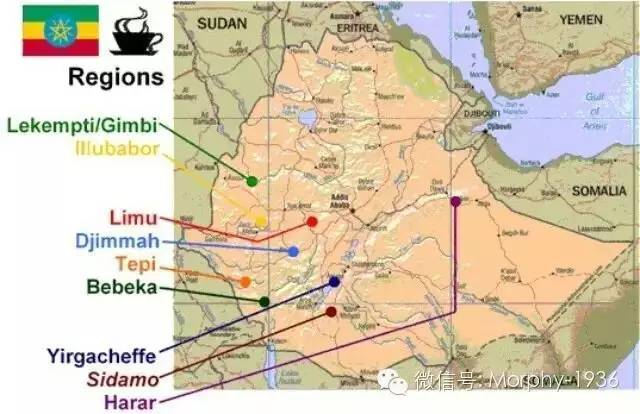
Introduction of boutique coffee beans Ethiopian coffee
Ethiopia is the hometown of Arabica coffee, and it is in the forests of Kaffa that you can see wild Arabica coffee. In Ethiopian, coffee is called Bun or Buna, and coffee beans (coffeebean) may be translated from Kaffa Bun. Arabica coffee was discovered early in the Harald area, probably from Kafa.

Flavor description of Ethiopian Coffee Manor introduction of High-quality Coffee beans in producing areas
In February 1977, Lieutenant Colonel Mengistu Haier Maryam (MENGISTU HAILE MARIAM) launched a military coup and served as Chairman of the interim military Administrative Council and head of State. In 1979, the Ethiopian Labor people's Party Organization Committee, dominated by soldiers, was established to implement an one-party system. In 1984, the Ethiopian Workers' Party was formed according to the Soviet Communist Party model. Mengistu, September 1987
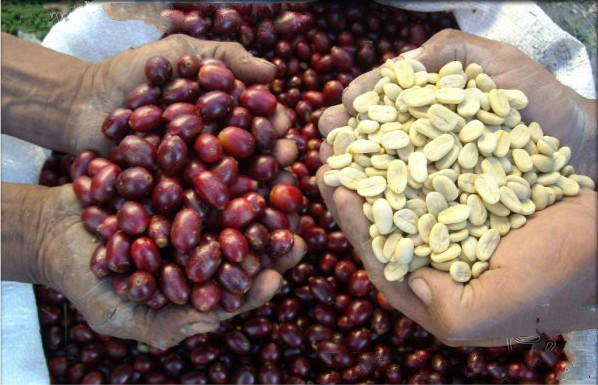
African Coffee Ethiopia sidamo Sidamo G2 Grade Water washing processed Fine Coffee cooked beans
Sidamo Washed G2 countries: Ethiopia Grade: G2 production areas: Sidamo production areas treatment: washed varieties: Heirloom Flavor: wild Ginger Flower, Honey, Citrus, Lemon there are still a large number of wild Arabica coffee trees growing in many parts of Ethiopia, with an average of 4200-6800 feet above sea level.

Unique Ethiopian Coffee Manor boutique Coffee Bean Flavor, taste and aroma description Jane
Grade of Ethiopian coffee: Ethiopian washed coffee Yega Chuefei G1 G2 Sidamo (Yirgacheffe, Sidamo) has the highest grades 2 and 3 (G2, G3), while sun-processed coffee in eastern Ethiopia is mostly grade 4 or 5 (G4, G5). In many cases, level 4 coffee is marked as level 5 in order to reduce taxes. At present, the classification is not uniform and there are

Introduction to the producing area of Coffee Flavor description Grinding scale in Yega Ficher Manor, Ethiopia
Ethiopian coffee flavor description grinding scale varieties introduce the grades of Ethiopian coffee: Ethiopian washed coffee Yega Sheffield G1 G2 Sidamo (Yirgacheffe, Sidamo) the highest grades are Grade 2 and 3 (G2, G3), while sun-processed coffee in eastern Ethiopia is mostly Grade 4 or Grade 5 (G4, G5). In many affections

Flavor description treatment of Ethiopian coffee beans with very light flavor characteristics
Production area: Sidamo varieties: Native Arabica treatment: washing flavor: moderate sweet and sour sun berry aroma, citrus aroma, slightly fermented fruit aroma, fruit wine flavor. Palate: comfortable and interesting sour fruit, good sweetness and low thickness. Baking degree: medium baked Ethiopia Sidamo G2 (Ethiopia Sidamo G2): Sidamo production area is located in Ethiopia

There are several coffee farms in Ethiopia's coffee-producing countries
Grade of Ethiopian coffee: Ethiopian washed coffee Yega Chuefei G1 G2 Sidamo (Yirgacheffe, Sidamo) has the highest grades 2 and 3 (G2, G3), while sun-processed coffee in eastern Ethiopia is mostly grade 4 or 5 (G4, G5). In many cases, level 4 coffee is marked as level 5 in order to reduce taxes. At present, the classification is not uniform and there are
Introduction to Ethiopian Coffee, the hometown of Arabica Coffee
Ethiopia is the hometown of Arabica coffee, and it is in the forests of Kaffa that you can see wild Arabica coffee. In Ethiopian, coffee is called Bun or Buna, and coffee beans (coffeebean) may be translated from Kaffa Bun. Arabica coffee was discovered early in the Harald area, probably from Kafa.

Treatment of grinding degree and roasting degree of fine coffee beans in Ethiopian Coffee Manor
Grade of Ethiopian coffee: Ethiopian washed coffee Yega Chuefei G1 G2 Sidamo (Yirgacheffe, Sidamo) has the highest grades 2 and 3 (G2, G3), while sun-processed coffee in eastern Ethiopia is mostly grade 4 or 5 (G4, G5). In many cases, level 4 coffee is marked as level 5 in order to reduce taxes. At present, the classification is not uniform and there are

Yega Xuefei G1 | Flavor of Ethiopian Sidamo region _ Yega Coffee Bean Classification
Although the Ethiopian Yirgacheffe coffee is petite, it is gentle and delicate and sweet. As the hometown of coffee, thousands of years of planting history and processing tradition in Ethiopia have created high-quality washed Arabica beans. Light baking has unique lemon, floral and honey flavors.

Introduction to the method of regional treatment for the determination of coffee bean flavor in Ethiopia Yega Xuefei G2 washing cup
Ethiopia Yega Xuefei G2 washing cup coffee bean flavor description production area treatment method introduces that Ethiopia has coffee in different climatic zones, so it has more than 140 farm varieties, and fresh coffee is produced all the year round. The quality of Ethiopian coffee varies according to different elevations and regional ecological environment. Harald Coffee in the Southeast Heights is a typical mu

Introduction to the characteristics of the taste of the wild Yega Sheffield Adordo coffee flavor description
In February 1977, Lieutenant Colonel Mengistu Haier Maryam (MENGISTU HAILE MARIAM) launched a military coup and served as Chairman of the interim military Administrative Council and head of State. In 1979, the Ethiopian Labor people's Party Organization Committee, dominated by soldiers, was established to implement an one-party system. In 1984, the Ethiopian Workers' Party was formed according to the Soviet Communist Party model. Mengistu, September 1987

A brief introduction to the unique Market Price of Fine Coffee Bean varieties in Ethiopian Coffee Manor
Grade of Ethiopian coffee: Ethiopian washed coffee Yega Chuefei G1 G2 Sidamo (Yirgacheffe, Sidamo) has the highest grades 2 and 3 (G2, G3), while sun-processed coffee in eastern Ethiopia is mostly grade 4 or 5 (G4, G5). In many cases, level 4 coffee is marked as level 5 in order to reduce taxes. At present, the classification is not uniform and there are

An introduction to the origin of coffee-- characteristics of Ethiopian coffee taste
Ethiopia is the hometown of Arabica coffee, and it is in the forests of Kaffa that you can see wild Arabica coffee. In Ethiopian, coffee is called Bun or Buna, and coffee beans (coffeebean) may be translated from Kaffa Bun. Arabica coffee was discovered early in the Harald area, probably from Kafa.

A brief introduction to the Origin and Development of Fine Coffee beans in the unique Ethiopian Coffee Manor
Grade of Ethiopian coffee: Ethiopian washed coffee Yega Chuefei G1 G2 Sidamo (Yirgacheffe, Sidamo) has the highest grades 2 and 3 (G2, G3), while sun-processed coffee in eastern Ethiopia is mostly grade 4 or 5 (G4, G5). In many cases, level 4 coffee is marked as level 5 in order to reduce taxes. At present, the classification is not uniform and there are